The Role of Full Body Health Checkups in Maintaining Long-Term Wellness
 admin
November 4, 2026 · 7 min read
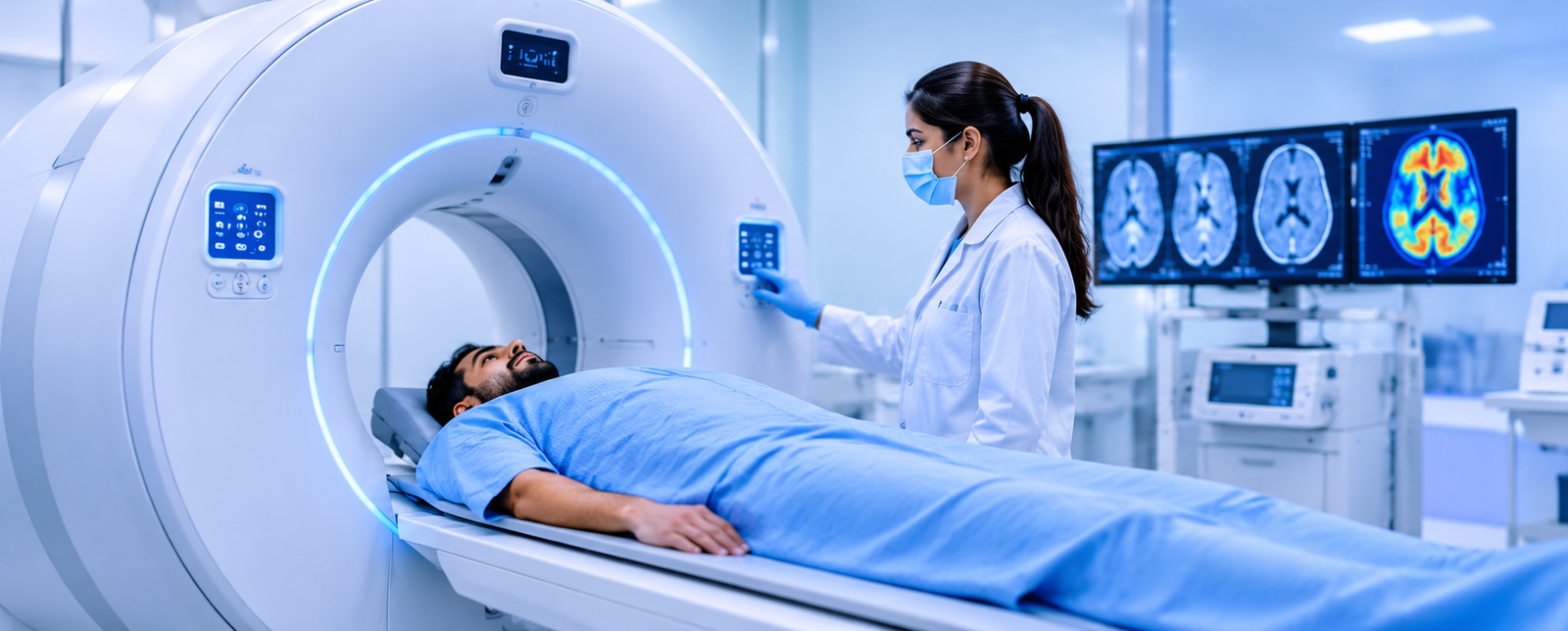
Maintaining long-term wellness requires a proactive approach to healthcare. While many individuals seek medical attention only when symptoms develop, regular health assessments can provide valuable information about their overall health status. Full body health checkups are designed to evaluate multiple biological parameters and help identify potential health concerns that may require further medical investigation.
With increasing awareness of preventive healthcare, routine diagnostic testing has become an important part of modern health management. Understanding the benefits of comprehensive health assessments can help individuals make informed decisions and prioritize their well-being.
What Is a Full Body Health Checkup?
A full body health checkup is a collection of medical examinations and laboratory investigations intended to assess different aspects of an individual’s health.
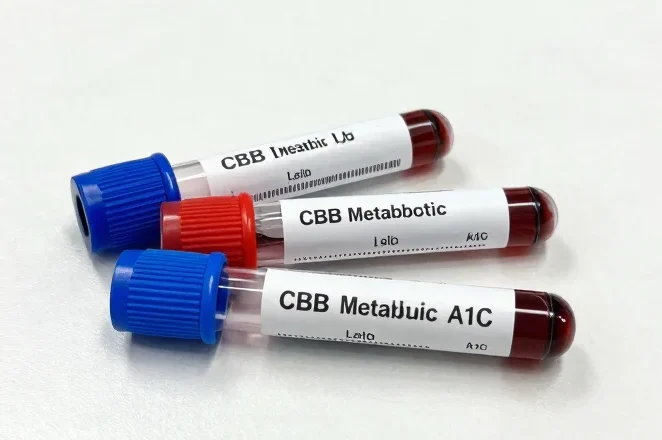
Depending on the selected package, these assessments may include blood tests, urine analysis, metabolic evaluations, and organ function investigations.
Common components include:
- Complete Blood Count (CBC)
- Blood glucose and HbA1c
- Lipid profile
- Liver function tests
- Kidney function tests
- Thyroid function tests
- Urine routine examination
The specific investigations included in a health checkup vary between diagnostic providers and should be selected according to individual health requirements.
Why Are Full Body Health Checkups Important?
Early Identification of Health Risks
Some chronic diseases may develop gradually without producing obvious symptoms. Conditions such as diabetes, hypertension, and lipid abnormalities may remain undetected for extended periods.
Appropriate screening tests can identify certain abnormalities before complications develop. Early detection may support timely medical evaluation and preventive interventions.
Evaluation of Organ Function
Laboratory investigations provide information about important organs, including the liver, kidneys, and thyroid gland.
For example, kidney function tests evaluate creatinine and estimated glomerular filtration rate, while liver investigations measure enzymes and other biochemical markers.
These assessments can help healthcare professionals identify abnormalities that may require further investigation.
Monitoring Metabolic Health
Metabolic health is influenced by glucose regulation, lipid levels, body composition, and other physiological factors.
A comprehensive health assessment may help identify risk factors associated with metabolic disorders and cardiovascular disease.
Supporting Personalized Healthcare
Health checkup results can help healthcare professionals develop recommendations based on individual circumstances.
Personalized healthcare may include dietary guidance, physical activity recommendations, medication review, or additional diagnostic investigations.
Common Investigations Included in Full Body Checkups
Complete Blood Count
CBC measures haemoglobin, red blood cells, white blood cells, and platelets.
It can help evaluate anaemia, infections, and certain blood disorders.
HbA1c Testing
HbA1c measures glycated haemoglobin and reflects average blood glucose levels over approximately two to three months.
It is commonly used in diabetes screening and monitoring.
Lipid Profile
A lipid profile evaluates cholesterol and triglyceride levels.
It provides information about cardiovascular risk factors and can help guide preventive healthcare decisions.
Liver Function Tests
Liver function investigations may include ALT, AST, bilirubin, alkaline phosphatase, and albumin.
These parameters help assess liver-related biochemical abnormalities.
Kidney Function Tests
Kidney function testing commonly includes serum creatinine and eGFR.
These measurements help evaluate kidney filtration function and identify potential abnormalities.
Thyroid Profile
Thyroid investigations commonly include TSH and may include free T4 or other tests when indicated.
These investigations help assess thyroid hormone regulation and support the evaluation of suspected thyroid disorders.
Who Should Consider a Full Body Health Checkup?
Full body health assessments may be appropriate for different individuals depending on their health requirements.
Working Professionals
Individuals with sedentary lifestyles, irregular eating habits, or high stress levels may benefit from appropriate preventive health assessments.
Adults With a Family History of Disease
Individuals with a family history of diabetes, cardiovascular disease, or other chronic conditions may require risk-based screening.
Older Adults
Age-related changes may increase the likelihood of certain medical conditions. Screening recommendations should be tailored according to age and medical history.
Individuals With Existing Health Conditions
People with chronic medical conditions may require periodic laboratory testing to monitor disease progression and treatment response.
How TestAura Makes Health Checkups More Convenient
Convenient access to diagnostic testing can encourage individuals to prioritize preventive healthcare.
TestAura provides access to diagnostic investigations and health checkup packages that can help individuals explore suitable testing options.
Depending on service availability, individuals may benefit from:
- Access to different laboratory investigations
- Health checkup packages
- Home sample collection services
- Digital laboratory reports
- Convenient test booking options
Home sample collection may be particularly useful for individuals with busy schedules, older adults, and people who prefer testing at home.
Selecting appropriate tests through TestAura can support routine health monitoring, while healthcare professionals remain responsible for recommending and interpreting investigations.
How to Prepare for a Full Body Health Checkup
Confirm Fasting Requirements
Some investigations require fasting, particularly certain glucose and lipid tests. Always follow the instructions provided by the laboratory.
Share Relevant Medical Information
Inform healthcare professionals about medications, existing conditions, and previous laboratory findings.
Maintain Normal Hydration
Drink water as permitted by the test preparation guidelines.
Keep Previous Reports Available
Previous results can help healthcare professionals compare health parameters over time.
Discuss Your Results
Laboratory reports should be reviewed by a qualified healthcare professional to determine whether additional evaluation is required.
Preventive Healthcare and Long-Term Wellness
Preventive healthcare involves more than laboratory testing. Maintaining a balanced diet, engaging in regular physical activity, getting sufficient sleep, and avoiding tobacco use are important components of overall wellness.
Routine health assessments can complement these lifestyle practices by providing information about specific health parameters.
However, full body checkups do not guarantee the prevention or detection of every disease. Screening should be based on evidence-based recommendations and individual risk factors.
Conclusion
Full body health checkups can play an important role in maintaining long-term wellness by evaluating key health parameters and identifying certain abnormalities that may require medical attention.
Regular preventive assessments can support early medical evaluation, monitoring of chronic conditions, and informed healthcare decisions.
Through convenient access to diagnostic investigations and health checkup packages, TestAura can help individuals explore available testing options and take a proactive approach to health monitoring.
Combining appropriate diagnostic testing with healthy lifestyle habits and professional medical guidance can contribute to better long-term health management.
Frequently Asked Questions (FAQs)
1. What is included in a full body health checkup?
A full body health checkup may include CBC, blood glucose, HbA1c, lipid profile, liver function tests, kidney function tests, thyroid testing, and urine analysis. The exact tests depend on the selected package.
2. How often should I get a full body health checkup?
The recommended frequency depends on age, medical history, risk factors, and existing health conditions. Consult a healthcare professional to determine an appropriate schedule.
3. Can a full body checkup detect diseases at an early stage?
Certain investigations can identify abnormalities associated with diseases such as diabetes, kidney disorders, and cholesterol abnormalities before symptoms appear.
4. Is a full body health checkup necessary for young adults?
Young adults may benefit from preventive assessments depending on their lifestyle, family history, and individual risk factors. Not everyone requires the same investigations.
5. Do full body health checkups require fasting?
Some tests require fasting, while others do not. Preparation requirements depend on the investigations included in the selected package.
6. Are full body health checkups sufficient for diagnosing every disease?
No. Full body health checkups evaluate selected health parameters but cannot detect every medical condition. Additional investigations and clinical examinations may be necessary.
7. Can I book a health checkup through TestAura?
Individuals can explore available health checkup packages and diagnostic investigations through TestAura, subject to service availability.
8. What should I do if my health checkup report shows abnormal results?
Consult a qualified healthcare professional. Abnormal results may require repeat testing, additional investigations, or further clinical evaluation.
This article is for general information only and is not a substitute for advice from your doctor.