The Importance of Preventive Health Checkups: How Regular Diagnostic Testing Helps Detect Diseases Early
 admin
November 4, 2026 · 7 min read
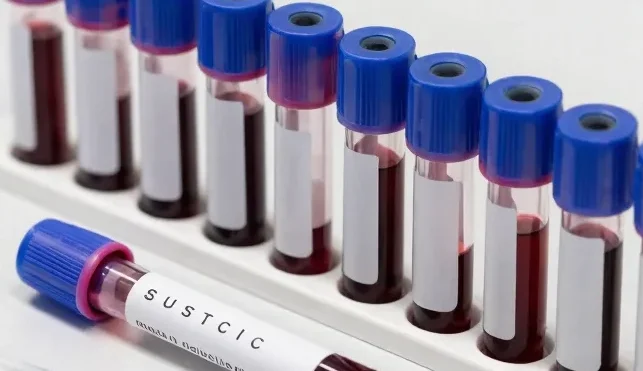
Maintaining good health requires more than simply treating illnesses when symptoms appear. Preventive health checkups play an important role in identifying potential health concerns before they become serious. Many medical conditions, including diabetes, high blood pressure, thyroid disorders, and cardiovascular diseases, can develop gradually without noticeable symptoms. Regular diagnostic testing helps individuals understand their health status and take timely action.
Preventive healthcare encourages people to monitor their health, adopt healthier lifestyles, and consult healthcare professionals when necessary. By making routine health assessments a priority, individuals can improve their chances of identifying medical problems at an early stage.
What Are Preventive Health Checkups?
Preventive health checkups are routine medical assessments designed to evaluate an individual’s overall health and identify possible risk factors for diseases. These assessments may include physical examinations, laboratory investigations, blood tests, and other diagnostic procedures recommended by healthcare professionals.
The purpose of preventive testing is to detect abnormalities before they develop into more advanced health conditions. The specific tests required depend on factors such as age, medical history, lifestyle, family history, and existing health risks.
Regular preventive checkups also help healthcare professionals monitor changes in health parameters over time, making it easier to identify concerning patterns.
Why Are Regular Diagnostic Tests Important?
Diagnostic testing provides valuable information about the body’s internal functions. Even when an individual feels healthy, certain biological changes may occur without producing obvious symptoms.
Some important benefits of regular diagnostic testing include:
1. Early Detection of Diseases
Early detection is one of the most significant advantages of preventive health checkups. Conditions such as diabetes, kidney disorders, thyroid dysfunction, and high cholesterol may remain unnoticed during their initial stages.
Routine blood tests and health assessments can identify abnormal values that require further evaluation. Early recognition allows healthcare professionals to recommend appropriate treatment, lifestyle modifications, or additional investigations.
2. Monitoring Overall Health
Regular diagnostic testing helps individuals monitor important health parameters, including blood glucose, cholesterol levels, haemoglobin, liver function, and kidney function.
Comparing current results with previous reports can help healthcare professionals understand whether certain health markers are improving, remaining stable, or becoming abnormal.
3. Prevention of Lifestyle-Related Diseases
Modern lifestyles often involve physical inactivity, unhealthy eating habits, stress, and irregular sleep patterns. These factors can contribute to the development of chronic health conditions.
Preventive health assessments may help identify risk factors associated with obesity, diabetes, cardiovascular disease, and metabolic disorders. Individuals can then receive professional guidance regarding exercise, nutrition, and other lifestyle changes.
4. Better Healthcare Planning
Preventive checkups provide useful information for making informed healthcare decisions. Healthcare professionals can recommend additional testing, monitoring, or preventive measures based on an individual’s risk profile.
This approach supports personalized healthcare rather than relying solely on symptoms.
Common Diagnostic Tests Included in Preventive Health Checkups
Different laboratory tests provide information about specific organs, systems, and biological functions.
Complete Blood Count (CBC)
A Complete Blood Count evaluates red blood cells, white blood cells, haemoglobin, and platelets. It can help identify conditions such as anaemia, infections, and certain blood disorders.
Blood Glucose and HbA1c Testing
Blood glucose testing measures sugar levels in the bloodstream. HbA1c provides an estimate of average blood glucose over approximately the previous two to three months.
These tests are commonly used for diabetes screening and monitoring when clinically appropriate.
Lipid Profile
A lipid profile measures cholesterol and triglyceride levels, including LDL and HDL cholesterol. It helps assess cardiovascular risk and supports decisions about preventive care.
Liver Function Tests
Liver function tests evaluate enzymes, bilirubin, and other biochemical markers associated with liver health. Abnormal results may indicate a need for further medical assessment.
Kidney Function Tests
Kidney function assessments commonly include creatinine, estimated glomerular filtration rate (eGFR), and other relevant laboratory parameters.
These investigations help evaluate kidney function and identify potential abnormalities.
Thyroid Function Tests
Thyroid testing, including TSH and sometimes T3 and T4, helps evaluate thyroid hormone regulation. These tests may be recommended when symptoms or risk factors suggest thyroid dysfunction.
The selection of diagnostic tests should always be based on individual health requirements and professional medical advice.
Who Should Consider Preventive Health Checkups?
Preventive health assessments may be beneficial for individuals across different age groups.
- Adults: Routine assessments can help identify common health risks.
- Individuals with a family history of chronic diseases: Screening may be recommended based on inherited risk factors.
- People with sedentary lifestyles: Health assessments can help evaluate metabolic and cardiovascular risk.
- Older adults: Regular monitoring may help identify age-related health concerns.
- Individuals with existing medical conditions: Appropriate testing can support ongoing disease management.
The frequency of preventive health checkups varies depending on individual circumstances. An annual checkup may be suitable for some adults, while others may require more frequent or less frequent assessments.
How TestAura Supports Preventive Healthcare
Access to convenient and reliable diagnostic services can encourage individuals to take a more active role in their health management.
TestAura provides access to diagnostic tests and health packages, including full body checkups, diabetes testing, thyroid profiles, liver function tests, lipid profiles, and complete blood counts.
Its home sample collection service allows individuals to arrange sample collection without travelling to a diagnostic centre. The platform also provides digital reports and transparent test pricing, helping individuals access diagnostic services more conveniently.
Regular health monitoring through suitable diagnostic investigations can support informed discussions with healthcare professionals and encourage timely medical evaluation.
Tips for Preparing for a Preventive Health Checkup
Proper preparation helps ensure that diagnostic testing is performed appropriately.
Follow Fasting Instructions
Some laboratory tests, including certain glucose and lipid investigations, may require fasting. Always follow the specific instructions provided by the laboratory or healthcare professional.
Share Your Medical History
Inform your healthcare professional about existing medical conditions, medications, allergies, and relevant family history.
Maintain Proper Hydration
Drink water as permitted by the laboratory’s instructions. Avoid making unnecessary changes to your normal routine before testing.
Keep Previous Reports Available
Previous laboratory reports can help healthcare professionals compare results and assess changes over time.
Consult a Healthcare Professional
Discuss your test results with a qualified healthcare professional. Abnormal findings may require repeat testing, additional investigations, or clinical evaluation.
Conclusion
Preventive health checkups are an important part of maintaining long-term health and wellness. Regular diagnostic testing can help identify potential health risks, monitor important biological parameters, and support early medical intervention.
By prioritizing preventive healthcare, individuals can make informed decisions about their health and adopt appropriate lifestyle changes. Access to convenient diagnostic services through TestAura can make routine health monitoring easier and more accessible.
However, preventive screening should be personalized according to age, medical history, risk factors, and professional recommendations. Diagnostic tests alone cannot guarantee disease prevention or diagnosis, but they can provide valuable information that supports better healthcare decisions.
Frequently Asked Questions (FAQs)
1. What is the purpose of preventive health checkups?
Preventive health checkups help evaluate overall health, identify potential disease risks, and detect certain medical conditions at an early stage.
2. How often should I undergo a preventive health checkup?
The recommended frequency depends on age, medical history, lifestyle, and risk factors. Many adults may benefit from periodic assessments, but a healthcare professional should determine the appropriate schedule.
3. Which diagnostic tests are commonly included in a full body checkup?
Common investigations may include CBC, blood glucose, HbA1c, lipid profile, liver function tests, kidney function tests, and thyroid function tests. The exact selection varies by package and individual requirements.
4. Can preventive health checkups detect diseases before symptoms appear?
Yes. Certain screening tests can identify abnormalities associated with diseases such as diabetes, high cholesterol, and some kidney or thyroid disorders before noticeable symptoms develop.
5. Are preventive health checkups necessary for healthy individuals?
They may be beneficial because some medical conditions can develop without obvious symptoms. However, screening should be based on individual risk factors and appropriate medical recommendations.
6. Do all preventive health tests require fasting?
No. Fasting requirements depend on the specific investigation. Some tests require fasting, while others can be performed without it.
7. Can home sample collection be used for preventive health checkups?
Yes. Many routine laboratory investigations can be performed using samples collected at home by trained phlebotomists, depending on the diagnostic service available.
8. How can I access preventive diagnostic testing conveniently?
Individuals can explore available diagnostic tests and health packages through TestAura and arrange suitable testing according to their healthcare requirements.
This article is for general information only and is not a substitute for advice from your doctor.