How Regular Blood Tests Can Help Identify Hidden Health Problems
 admin
November 4, 2026 · 7 min read
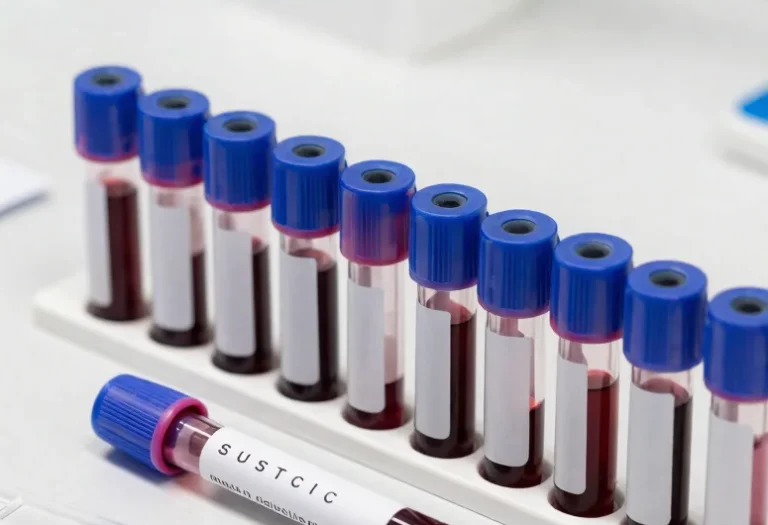
Many health conditions develop gradually and may not produce noticeable symptoms during their early stages. Regular blood testing provides valuable insights into the body’s internal functions and can help identify abnormalities that require medical attention. From monitoring blood sugar levels to evaluating liver and kidney function, laboratory investigations play an important role in preventive healthcare.
Blood tests are widely used by healthcare professionals to assess overall health, investigate symptoms, and monitor existing medical conditions. Understanding the importance of routine laboratory testing can help individuals make informed decisions about their health and well-being.
Understanding the Importance of Routine Blood Testing
Blood contains important information about different organs, tissues, and biological processes. Laboratory analysis can measure various components, including blood cells, proteins, hormones, enzymes, electrolytes, and metabolic substances.
Routine blood testing may help identify abnormalities associated with:
- Diabetes and metabolic disorders
- Anaemia and nutritional deficiencies
- Liver and kidney dysfunction
- Thyroid disorders
- Cardiovascular risk factors
- Certain infections and inflammatory conditions
However, blood tests are not a substitute for a complete medical evaluation. Their results should be interpreted alongside symptoms, medical history, and other clinical findings.
Common Blood Tests That Support Early Health Assessment
1. Complete Blood Count (CBC)
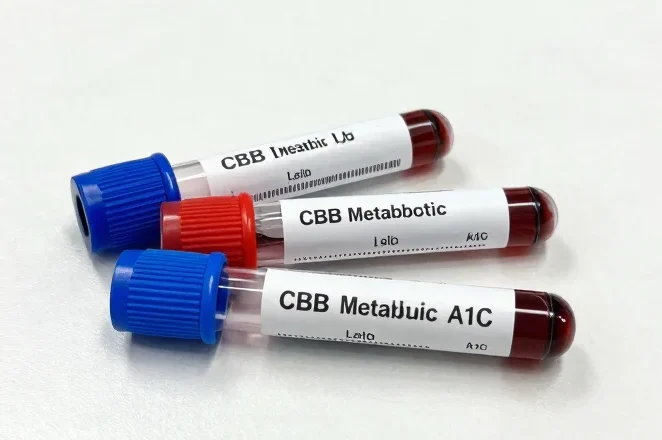
A Complete Blood Count is one of the most commonly performed laboratory investigations. It measures red blood cells, white blood cells, haemoglobin, haematocrit, and platelets.
CBC testing can help healthcare professionals evaluate anaemia, infections, and certain blood-related disorders. Abnormal results may indicate the need for additional investigations.
2. Blood Glucose Testing
Blood glucose testing measures the concentration of glucose in the bloodstream. It is commonly used to assess diabetes risk and monitor glucose regulation.
Fasting blood glucose and HbA1c are frequently used investigations. HbA1c provides information about average blood glucose levels over approximately two to three months.
3. Lipid Profile
A lipid profile measures cholesterol and triglyceride levels. It generally includes total cholesterol, HDL cholesterol, LDL cholesterol, and triglycerides.
These measurements help assess cardiovascular risk and support preventive healthcare decisions.
4. Liver Function Tests
Liver function investigations commonly measure ALT, AST, alkaline phosphatase, bilirubin, and other relevant parameters.
These tests can help identify biochemical abnormalities associated with liver injury, inflammation, or impaired liver function. Further clinical evaluation may be required to determine the underlying cause.
5. Kidney Function Tests
Kidney function testing commonly includes serum creatinine, eGFR, and sometimes blood urea measurements.
These investigations help evaluate kidney function and may identify abnormalities associated with kidney disease, dehydration, or other medical conditions.
6. Thyroid Function Tests
Thyroid function tests, including TSH and free T4, help evaluate thyroid hormone regulation.
Thyroid abnormalities may be associated with fatigue, changes in body weight, temperature sensitivity, and alterations in metabolism. Laboratory testing can support the assessment of suspected thyroid disorders.
How Blood Tests Help Detect Hidden Health Problems
Identifying Nutritional Deficiencies
Blood testing can help identify deficiencies involving iron, vitamin B12, folate, and other essential nutrients.
For example, haemoglobin and ferritin measurements may provide useful information when evaluating iron deficiency. Vitamin B12 testing may be recommended when symptoms or risk factors suggest a deficiency.
Evaluating Metabolic Health
Metabolic health assessments may include glucose, cholesterol, triglycerides, and other biochemical markers.
These investigations can help identify risk factors associated with metabolic syndrome and cardiovascular disease.
Monitoring Chronic Conditions
Individuals with chronic medical conditions may require regular laboratory monitoring. Blood tests can help healthcare professionals evaluate treatment responses and identify changes that may require adjustments in medical management.
Supporting Clinical Diagnosis
When individuals experience unexplained symptoms such as persistent fatigue, weakness, or changes in appetite, healthcare professionals may recommend blood tests as part of the diagnostic process.
Laboratory findings can provide additional information that supports clinical decision-making.
Who Should Consider Regular Blood Testing?
The need for blood testing depends on individual circumstances.
Adults may require routine health assessments based on age and risk factors. Individuals with a family history of diabetes, cardiovascular disease, or other chronic conditions may benefit from appropriate screening.
People taking medications that require laboratory monitoring may also need periodic blood tests.
Older adults and individuals with existing medical conditions may require more frequent assessments according to professional recommendations.
Routine testing should be personalized rather than based on a fixed list of investigations for everyone.
The Role of TestAura in Convenient Diagnostic Testing
Access to diagnostic services can make routine health monitoring easier for individuals and families.
TestAura offers access to various laboratory investigations and health checkup packages that may include CBC, thyroid testing, lipid profiles, glucose testing, and liver and kidney function assessments.
Home sample collection can provide additional convenience for individuals who prefer not to visit a diagnostic centre. Digital reporting also allows patients to access their laboratory results more conveniently.
Choosing appropriate diagnostic investigations through TestAura can help individuals take an active role in preventive healthcare while ensuring that test selection and interpretation remain guided by qualified healthcare professionals.
How to Prepare for a Blood Test
Proper preparation can help ensure that laboratory testing is performed according to recommended procedures.
Follow Fasting Instructions
Some blood tests require fasting, while others do not. Follow the instructions provided by the laboratory or healthcare professional.
Inform Your Healthcare Professional About Medications
Certain medications and supplements may influence laboratory results. Do not stop prescribed medications unless specifically instructed by your healthcare professional.
Stay Hydrated
Drinking water is generally permitted before many blood tests, including some fasting investigations. Follow the laboratory’s specific instructions.
Provide Accurate Medical Information
Inform the healthcare professional about relevant medical conditions, recent illnesses, and previous laboratory results.
Review Your Results Professionally
Laboratory results should be interpreted according to appropriate reference ranges and individual clinical circumstances. A result outside the reference range does not always indicate a disease.
Conclusion
Regular blood testing is an important component of preventive healthcare. It can provide valuable information about blood composition, metabolic activity, organ function, and potential health abnormalities.
Early identification of certain abnormalities may support timely medical evaluation and appropriate treatment. However, the benefits of blood testing depend on selecting suitable investigations and interpreting results within the broader clinical context.
With convenient diagnostic services available through TestAura, individuals can explore appropriate laboratory investigations and health checkup packages to support their health monitoring needs.
Taking a proactive approach to healthcare, combined with professional medical guidance and healthy lifestyle habits, can contribute to better long-term health management.
Frequently Asked Questions (FAQs)
1. Why are regular blood tests important?
Regular blood tests help evaluate overall health, monitor existing conditions, identify certain abnormalities, and support preventive healthcare decisions.
2. Can blood tests detect health problems without symptoms?
Yes. Certain blood tests can identify abnormalities associated with diabetes, cholesterol disorders, anaemia, and other conditions before noticeable symptoms appear.
3. Which blood tests are useful for routine health monitoring?
Common investigations include CBC, blood glucose, HbA1c, lipid profile, liver function tests, kidney function tests, and thyroid function tests, depending on individual needs.
4. How frequently should blood tests be performed?
The frequency depends on age, medical history, risk factors, and existing health conditions. A healthcare professional can recommend an appropriate testing schedule.
5. Do routine blood tests require fasting?
Some investigations require fasting, while others do not. Always confirm the preparation requirements before undergoing testing.
6. Can blood tests identify vitamin deficiencies?
Yes. Specific investigations can measure vitamin B12, vitamin D, folate, and other nutritional markers when clinically indicated.
7. Are abnormal blood test results always a sign of disease?
No. Abnormal results may occur due to temporary conditions, medications, biological variation, or other factors. Further evaluation may be necessary.
8. Can I arrange blood testing through TestAura?
Individuals can explore available laboratory tests and health checkup packages through TestAura. Testing requirements and availability may vary depending on the selected service.
9. What should I do after receiving my blood test report?
Discuss your results with a qualified healthcare professional who can interpret them alongside your symptoms, medical history, and other relevant findings.
This article is for general information only and is not a substitute for advice from your doctor.