Early Signs of Cancer That Should Never Be Ignored
Cancer is one of the major health concerns worldwide. It occurs when abnormal cells grow uncontrollably and may spread to other parts of the body. One of the biggest challenges with cancer is that its early symptoms can sometimes be mild or similar to those of common health conditions.
 admin
November 7, 2026 · 5 min read

Cancer is one of the major health concerns worldwide. It occurs when abnormal cells grow uncontrollably and may spread to other parts of the body. One of the biggest challenges with cancer is that its early symptoms can sometimes be mild or similar to those of common health conditions.
Recognising unusual changes in the body and seeking timely medical advice can help identify certain cancers at an earlier stage. Early diagnosis may provide more treatment options and improve the chances of successful treatment.
Understanding these warning signs is an important step towards better health awareness. Testaura encourages people to stay informed about preventive healthcare and understand the importance of timely medical evaluation.
10 Early Signs of Cancer You Should Not Ignore
Not every symptom indicates cancer. However, persistent, unexplained or unusual changes should be evaluated by a healthcare professional.
1. Unexplained Weight Loss
Losing weight without changing your diet or exercise routine can sometimes be a warning sign of an underlying health problem. Unexplained weight loss may occur in cancers involving the stomach, pancreas, lungs and other organs.
If you experience significant weight loss without an obvious reason, consult a doctor.
2. Persistent Fatigue
Feeling tired after a busy day is normal. However, extreme fatigue that does not improve even after adequate sleep and rest may require medical attention.
Persistent fatigue can occur due to anaemia, infections, nutritional deficiencies and certain cancers.
3. Unusual Lumps or Swelling
A new lump or swelling in the breast, neck, armpit or another part of the body should not be ignored.
Although many lumps are non-cancerous, some may indicate abnormal tissue growth. A doctor may recommend an examination, ultrasound, mammography or biopsy depending on the location and symptoms.
4. Changes in Bowel or Bladder Habits
Long-lasting changes in bowel movements or urination may indicate an underlying health condition.
Warning signs may include:
-
Persistent constipation or diarrhoea.
-
Blood in the stool.
-
Blood in the urine.
-
Frequent urination.
-
Difficulty passing urine.
-
Persistent abdominal discomfort.
These symptoms do not automatically mean cancer, but they should be evaluated.
5. Persistent Cough or Hoarseness
A cough that continues for several weeks, especially when accompanied by chest pain, breathing difficulties or blood in the cough, needs medical assessment.
Persistent hoarseness or voice changes may also require evaluation, particularly when they do not improve.
6. Changes in Skin or Moles
Changes in the size, shape, colour or appearance of a mole may indicate skin cancer.
Watch for the following ABCDE warning signs:
-
A – Asymmetry: One half of the mole does not match the other.
-
B – Border: Irregular or uneven edges.
-
C – Colour: Multiple or changing colours.
-
D – Diameter: A diameter larger than approximately 6 mm can be concerning, although smaller melanomas also occur.
-
E – Evolving: Changes in size, shape, colour or symptoms over time.
Any suspicious skin change should be examined by a dermatologist.
7. Difficulty Swallowing
Persistent difficulty swallowing food or liquids may be associated with several digestive or throat-related conditions. In some cases, it can be a warning sign of oesophageal or throat cancer.
Do not ignore swallowing difficulties, particularly when they worsen over time.
8. Unusual Bleeding
Unexplained bleeding should always be investigated.
Examples include:
-
Blood in the stool.
-
Blood in the urine.
-
Bleeding between menstrual periods.
-
Bleeding after menopause.
-
Unusual vaginal bleeding.
-
Coughing up blood.
The cause may be non-cancerous, but medical evaluation is important.
9. Persistent Pain
Pain that continues without an obvious cause or gradually becomes worse may require investigation.
Persistent headaches, abdominal pain, bone pain or back pain can have many causes. In certain cases, they may be associated with cancer.
10. Sores That Do Not Heal
A wound, mouth ulcer or skin sore that does not heal within the expected time should be examined.
Persistent mouth ulcers, white or red patches inside the mouth, and unusual oral changes may require evaluation by a dentist or doctor.
Which Tests Can Help Detect Cancer?
There is no single test that can detect every type of cancer. Depending on symptoms and risk factors, doctors may recommend:
-
Blood tests and tumour marker tests.
-
Mammography for breast cancer screening.
-
Pap tests and HPV tests for cervical cancer screening.
-
Colonoscopy for colorectal cancer screening.
-
Ultrasound or MRI.
-
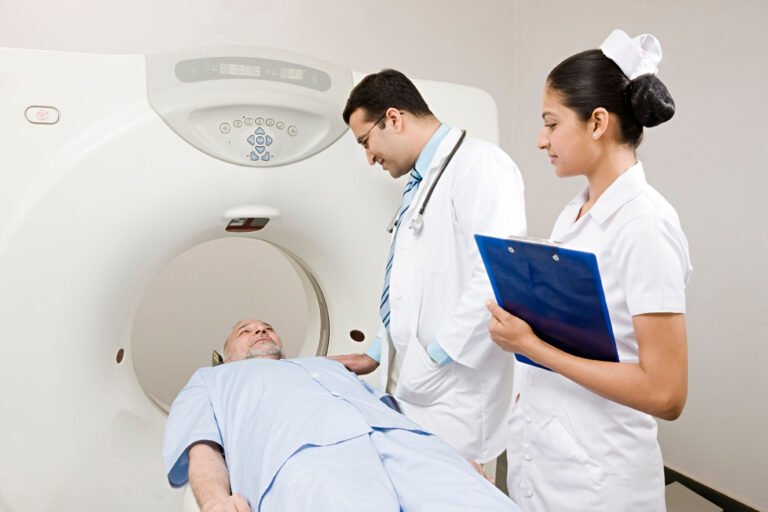
CT scans.
-
PET-CT scans.
-
Biopsy for examining suspicious tissue.
PET-CT scans can help evaluate certain cancers, assess disease spread and monitor treatment response. However, they are not recommended as routine screening tests for every healthy individual.
Testaura highlights the importance of understanding available diagnostic options and discussing suitable investigations with qualified healthcare professionals.
Who Should Be More Careful About Cancer Warning Signs?
Certain individuals may have a higher risk of developing cancer, including:
-
People with a family history of certain cancers.
-
Individuals who smoke or consume tobacco.
-
People with excessive alcohol consumption.
-
Individuals with certain inherited genetic conditions.
-
People with previous cancer diagnoses.
-
Individuals with specific occupational or environmental exposures.
Having a risk factor does not mean someone will definitely develop cancer. However, appropriate screening and medical guidance are important.
Conclusion
Cancer symptoms can vary depending on the type and location of the disease. Persistent lumps, unexplained weight loss, unusual bleeding, changes in bowel habits and non-healing sores should never be ignored.
Early medical consultation and appropriate diagnostic testing can help identify health problems and guide treatment decisions. Testaura supports greater awareness of preventive healthcare and the importance of recognising unusual changes in the body.
Remember that early evaluation is always better than ignoring persistent symptoms.
Frequently asked questions
1. What is the most common early warning sign of cancer?
There is no single common warning sign for all cancers. Unexplained weight loss, unusual lumps, persistent fatigue and abnormal bleeding are some symptoms that require medical attention.
2. Can cancer develop without symptoms?
Yes. Some cancers may not cause noticeable symptoms during their early stages. This is why recommended screening is important for eligible individuals.
3. Can a blood test detect cancer?
Some blood tests can provide clues about certain cancers, but routine blood tests cannot detect all cancers. Additional investigations or a biopsy may be necessary.
4. Does unexplained weight loss always mean cancer?
No. Weight loss can result from thyroid disorders, diabetes, digestive problems, infections and other conditions. However, unexplained weight loss should be medically evaluated.
5. When should I consult a doctor about possible cancer symptoms?
Consult a doctor if you notice persistent, unexplained or worsening symptoms, particularly unusual lumps, bleeding, swallowing difficulties or changes in bowel habits.
Disclaimer: The information provided on this page is for educational and informational purposes only. It is not intended to replace professional medical advice, diagnosis, or treatment. Always consult a qualified healthcare professional for advice regarding your individual health condition or treatment.