
What Is a Whole Body PET-CT Scan? Uses, Procedure, Benefits and Preparation
Medical imaging plays an important role in diagnosing and managing several health conditions, particularly cancer. Among advanced imaging techniques, the Whole Body PET-CT Scan is widely used to evaluate metabolic activity and identify abnormalities in different parts of the body.
 admin
November 7, 2026 · 6 min read
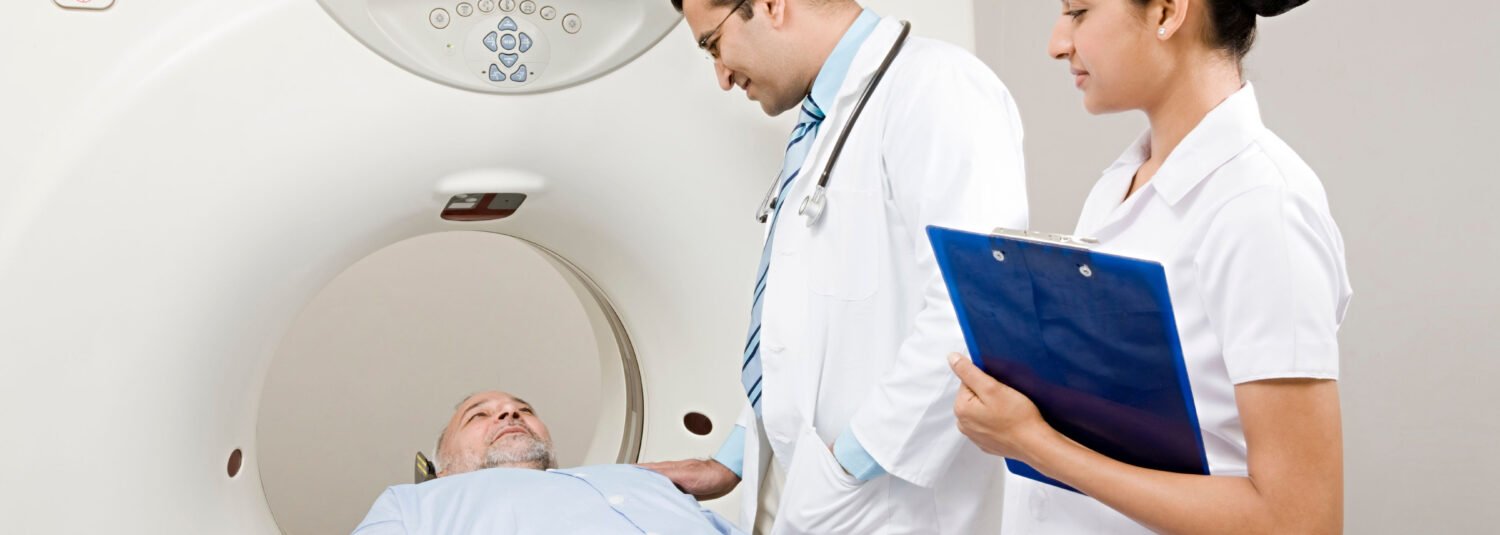
Medical imaging plays an important role in diagnosing and managing several health conditions, particularly cancer. Among advanced imaging techniques, the Whole Body PET-CT Scan is widely used to evaluate metabolic activity and identify abnormalities in different parts of the body.
Doctors may recommend this investigation to assess cancer, determine the extent of disease, evaluate treatment response and investigate certain unexplained abnormalities.
Understanding how a Whole Body PET-CT Scan works, why it is performed and how to prepare for it can help patients feel more confident before undergoing the procedure.
Testaura aims to improve healthcare awareness by helping people understand modern diagnostic technologies and their role in medical evaluation.
What Is a Whole Body PET-CT Scan?
A Whole Body PET-CT Scan is an advanced medical imaging procedure that combines two technologies:
1. Positron Emission Tomography (PET)
PET imaging provides information about metabolic activity inside the body. It uses a small amount of radioactive tracer, commonly a glucose-based tracer called FDG, to identify areas with increased glucose uptake.
2. Computed Tomography (CT)
CT imaging produces detailed cross-sectional images of internal organs, tissues and structures.
By combining these technologies, doctors can examine both the metabolic activity and anatomical structure of different body regions.
A whole-body scan generally covers the area from the base of the skull to the upper thighs, although the coverage can vary depending on the clinical requirement.
Why Is a Whole Body PET-CT Scan Recommended?
A doctor may recommend this scan for several medical reasons.
1. Cancer Detection and Evaluation
PET-CT can help investigate suspected cancer in selected clinical situations.
It identifies areas with abnormal metabolic activity that may require further evaluation.
However, increased tracer uptake does not always indicate cancer. Infections and inflammation can also produce abnormal findings.
2. Cancer Staging
After a cancer diagnosis, doctors may use PET-CT to assess whether the disease has spread to lymph nodes or other organs.
This information can help determine the stage of certain cancers and guide treatment planning.
3. Monitoring Treatment Response
PET-CT may be used after chemotherapy, radiation therapy or other cancer treatments to evaluate changes in metabolic activity.
Comparing previous and current scans can help doctors assess how the disease is responding to treatment.
4. Detecting Possible Cancer Recurrence
In patients previously treated for cancer, PET-CT may be recommended when there is a clinical suspicion of recurrence.
It can help identify suspicious areas that need further investigation.
5. Evaluating Certain Infections and Inflammatory Conditions
In selected cases, PET-CT can help investigate unexplained fever, certain infections and inflammatory conditions.
How Is a Whole Body PET-CT Scan Performed?
The procedure generally involves the following steps:
Step 1: Patient Preparation
The patient receives instructions regarding fasting, medication and blood glucose management before the scan.
For FDG PET-CT, fasting for several hours is commonly required.
Step 2: Blood Glucose Assessment
The medical team may check blood glucose levels before administering the tracer.
High blood glucose can affect the quality and interpretation of FDG PET images.
Step 3: Administration of Radioactive Tracer
A small amount of radioactive tracer is injected into a vein.
The tracer circulates through the bloodstream and accumulates in tissues according to their metabolic activity.
Step 4: Waiting Period
Patients generally rest for approximately 45–60 minutes to allow the tracer to distribute throughout the body.
During this time, unnecessary physical activity should be avoided.
Step 5: Image Acquisition
The patient lies on the scanning table, which moves through the PET-CT machine.
The scanner captures images of the required body regions.
The imaging process generally takes around 20–40 minutes, although the exact time varies.
Step 6: Report Preparation
A nuclear medicine specialist or qualified radiologist interprets the images and prepares the report.
The findings are then discussed with the treating doctor.
What Conditions Can a Whole Body PET-CT Scan Help Evaluate?
A Whole Body PET-CT Scan may be used in the evaluation of several conditions, including:
-
Lymphoma.
-
Lung cancer.
-
Breast cancer.
-
Colorectal cancer.
-
Head and neck cancers.
-
Certain gynaecological cancers.
-
Some metastatic cancers.
-
Selected infections and inflammatory diseases.
Its usefulness depends on the specific disease, clinical situation and type of tracer used.
Benefits of a Whole Body PET-CT Scan
1. Combined Functional and Anatomical Imaging
PET and CT provide complementary information, allowing doctors to evaluate metabolic activity alongside anatomical structures.
2. Assessment of Disease Spread
It can help identify suspicious abnormalities in different body regions and assess the extent of certain cancers.
3. Treatment Monitoring
Changes in metabolic activity may help doctors assess how a patient is responding to treatment.
4. Identification of Suspicious Areas
It can help locate areas that may require additional investigations, such as MRI, ultrasound or biopsy.
5. Support for Treatment Planning
The findings can contribute to decisions regarding surgery, chemotherapy, radiation therapy and other treatment approaches.
Testaura highlights the importance of understanding diagnostic procedures before undergoing medical investigations.
How to Prepare for a Whole Body PET-CT Scan
Proper preparation is essential for obtaining reliable imaging results.
Patients are generally advised to:
-
Follow fasting instructions provided by the imaging centre.
-
Inform the medical team about diabetes.
-
Share details of all medications.
-
Inform the doctor about pregnancy or breastfeeding.
-
Carry previous medical reports and imaging scans.
-
Avoid strenuous physical activity before the examination.
-
Follow instructions regarding water intake and medication.
Preparation requirements may vary depending on the tracer and the purpose of the scan.
Are There Any Risks or Side Effects?
Whole Body PET-CT is generally considered safe when medically indicated. However, certain risks should be understood.
Radiation Exposure: The procedure involves radiation from both the PET tracer and CT imaging. The total exposure depends on the protocol.
Allergic Reactions: If contrast material is used for CT, some patients may experience an allergic reaction.
Pregnancy Considerations: The medical team should be informed if the patient is pregnant or may be pregnant.
Breastfeeding: Specific precautions may be required depending on the tracer used. Follow the nuclear medicine team’s instructions.
Doctors recommend the procedure when the expected clinical benefits outweigh its potential risks.
Is Whole Body PET-CT Suitable for Everyone?
No. A Whole Body PET-CT Scan is not a routine health screening test for every healthy person.
It is generally recommended when there is a specific medical indication. It should not be used as a substitute for routine preventive screening or other investigations.
The decision depends on the patient’s symptoms, medical history, previous reports and clinical requirements.
Conclusion
A Whole Body PET-CT Scan is an advanced diagnostic imaging technique that combines metabolic and anatomical information. It plays an important role in evaluating selected cancers, assessing disease spread and monitoring treatment response.
However, it is not suitable for everyone and should only be performed when medically indicated. Testaura encourages patients to understand their diagnostic options and consult qualified healthcare professionals before undergoing advanced imaging procedures.
An informed approach to medical testing can help patients make better healthcare decisions.
Frequently asked questions
1. What is the difference between PET and PET-CT scans?
A PET scan evaluates metabolic activity, while a CT scan provides detailed anatomical images. PET-CT combines both technologies into one examination.
2. Is a Whole Body PET-CT Scan used only for cancer?
No. Although it is commonly used in cancer evaluation, it can also help investigate selected infections and inflammatory conditions.
3. How long does a Whole Body PET-CT Scan take?
The complete appointment generally takes around 2–3 hours, including tracer injection, waiting time and image acquisition.
4. Is fasting necessary before a PET-CT scan?
Yes, fasting for several hours is commonly required for FDG PET-CT. Patients should follow the specific instructions provided by the imaging centre.
5. Can PET-CT detect cancer at an early stage?
It can identify certain cancers and suspicious metabolic changes, but it is not effective for detecting every cancer at an early stage. Its suitability depends on the cancer type and clinical situation.
Disclaimer: The information provided on this page is for educational and informational purposes only. It is not intended to replace professional medical advice, diagnosis, or treatment. Always consult a qualified healthcare professional for advice regarding your individual health condition or treatment.